5
OMR39.9
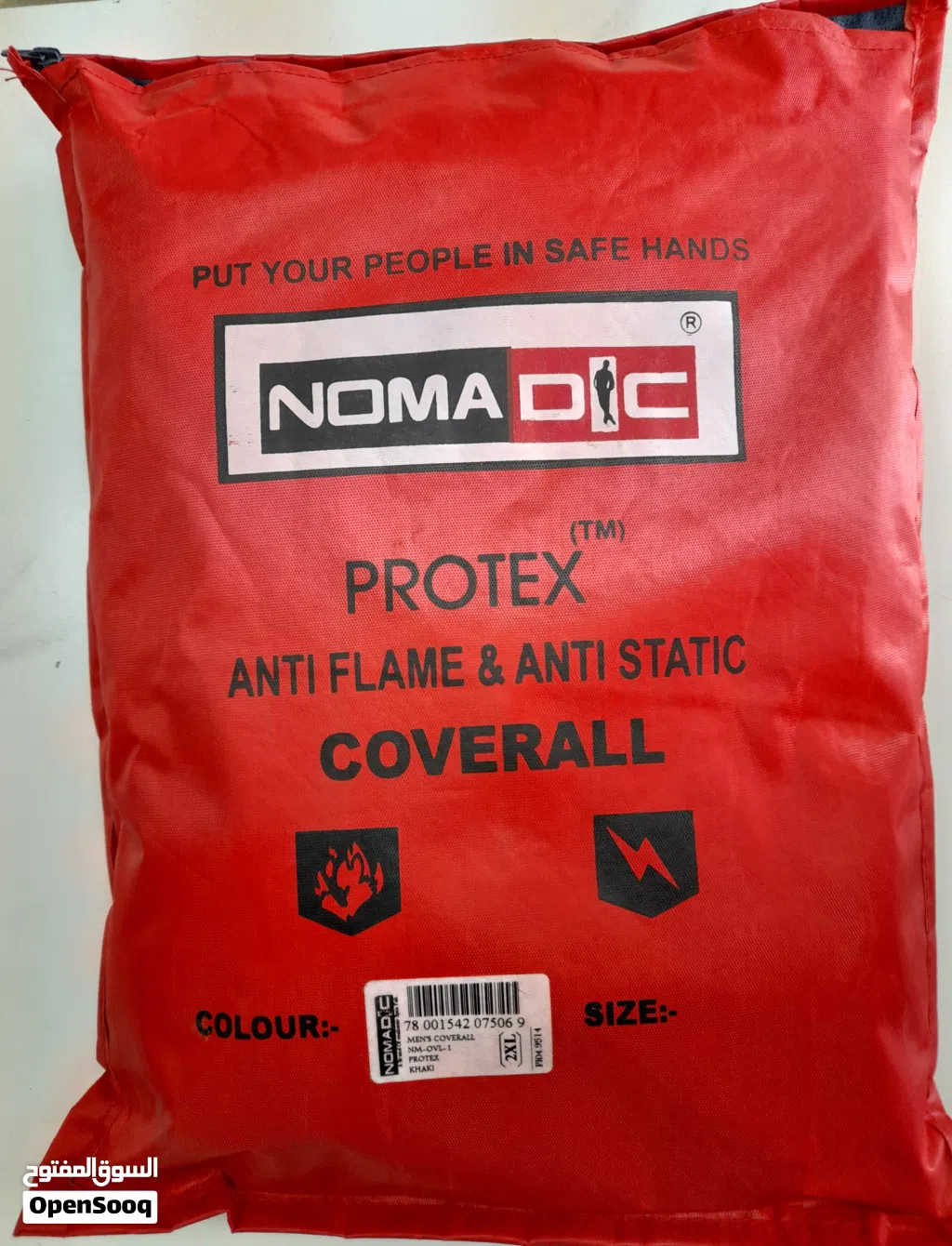
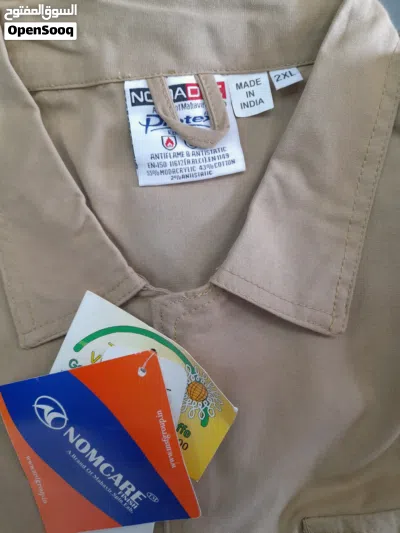
Anti Flame and Anti Static Coverall Khaki
الوصف
PROTEX Coverall KHAKI 2XL
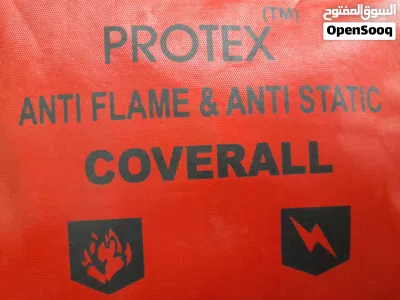
Anti Flame
Anti Static
An anti-flame and anti-static coverall is designed to protect the wearer from both fire hazards and electrostatic discharge (ESD). These coveralls are commonly used in industries where there is a risk of exposure to electrical sparks, flammable materials, or static electricity. Here’s a breakdown of each feature:
1. Anti-Flame (Flame-Resistant) Properties:
Material: These coveralls are made from fabrics treated with flame-retardant chemicals or are inherently flame-resistant, like aramid fibers (e.g., Nomex) or modacrylic blends.
Protection: They provide a protective barrier against flash fires, arc flashes, and high-heat environments by self-extinguishing or preventing the spread of flames.
Standards: Flame-resistant coveralls must comply with standards such as ASTM F1506 (for electrical hazards), NFPA 2112 (for industrial flash fire protection), or EN 11612 (for heat and flame hazards).
2. Anti-Static (Electrostatic Discharge) Properties:
Material: Anti-static coveralls are made from fabrics that are either naturally static dissipative or have conductive fibers woven into them, such as carbon or metallic threads. Some materials are also treated with anti-static agents.
Protection: These coveralls prevent the buildup of static electricity, which can be dangerous in environments like electronics manufacturing, oil and gas industries, or areas with explosive gases. They help avoid sparks that could ignite flammable substances or damage sensitive electronic equipment.
Standards: Anti-static coveralls comply with standards like EN 1149 (for electrostatic properties) or IEC 61340 (for protection against electrostatic discharge).
Common Uses:
Electrical and Electronics Manufacturing: To protect sensitive equipment from static discharges.
Oil & Gas: Workers in hazardous environments are protected from both static buildup and fire risks.
Chemical and Pharmaceutical Industries: Protect workers from the risk of fire and static discharge in environments that contain volatile substances.
Key Features to Look For:
Comfort: Look for breathable, moisture-wicking fabrics for long-term comfort.
Durability: Flame-resistant and anti-static properties should last through multiple washes or a set number of industrial laundering cycles.
Fit: A good coverall should be well-fitted but allow for a full range of motion, with reinforced seams in high-stress areas.
Visibility: In some industries, visibility is important, so reflective strips or high-visibility fabrics may also be incorporated.
Anti Flame
Anti Static
An anti-flame and anti-static coverall is designed to protect the wearer from both fire hazards and electrostatic discharge (ESD). These coveralls are commonly used in industries where there is a risk of exposure to electrical sparks, flammable materials, or static electricity. Here’s a breakdown of each feature:
1. Anti-Flame (Flame-Resistant) Properties:
Material: These coveralls are made from fabrics treated with flame-retardant chemicals or are inherently flame-resistant, like aramid fibers (e.g., Nomex) or modacrylic blends.
Protection: They provide a protective barrier against flash fires, arc flashes, and high-heat environments by self-extinguishing or preventing the spread of flames.
Standards: Flame-resistant coveralls must comply with standards such as ASTM F1506 (for electrical hazards), NFPA 2112 (for industrial flash fire protection), or EN 11612 (for heat and flame hazards).
2. Anti-Static (Electrostatic Discharge) Properties:
Material: Anti-static coveralls are made from fabrics that are either naturally static dissipative or have conductive fibers woven into them, such as carbon or metallic threads. Some materials are also treated with anti-static agents.
Protection: These coveralls prevent the buildup of static electricity, which can be dangerous in environments like electronics manufacturing, oil and gas industries, or areas with explosive gases. They help avoid sparks that could ignite flammable substances or damage sensitive electronic equipment.
Standards: Anti-static coveralls comply with standards like EN 1149 (for electrostatic properties) or IEC 61340 (for protection against electrostatic discharge).
Common Uses:
Electrical and Electronics Manufacturing: To protect sensitive equipment from static discharges.
Oil & Gas: Workers in hazardous environments are protected from both static buildup and fire risks.
Chemical and Pharmaceutical Industries: Protect workers from the risk of fire and static discharge in environments that contain volatile substances.
Key Features to Look For:
Comfort: Look for breathable, moisture-wicking fabrics for long-term comfort.
Durability: Flame-resistant and anti-static properties should last through multiple washes or a set number of industrial laundering cycles.
Fit: A good coverall should be well-fitted but allow for a full range of motion, with reinforced seams in high-stress areas.
Visibility: In some industries, visibility is important, so reflective strips or high-visibility fabrics may also be incorporated.
علامات الذكاء الاصطناعي

الأسئلة الشائعة
ما هو عدد الإعلانات في كيمياء على السوق المفتوح؟
كيف يمكنني التواصل مع المُعلن بأمان؟
ما أفضل طريقة للقاء المُعلن والتأكد من جودة المنتج؟
مستخدم موثق
3.5
20-11-2022
نصائح عامة
- اجتمع في الأماكن العامة فقط
- لا تقم بإرسال المال مسبقاً
- قم بتفقّد المنتج جيداً قبل شرائه
بيع كل شئ على السوق المفتوح
هل تود اضافة اعلان مماثل ؟
أضف إعلانك الآن

تريد مشاهدات أكثر؟
ميز وأعد نشر إعلانك
مشاهدة المزيد