4
OMR245
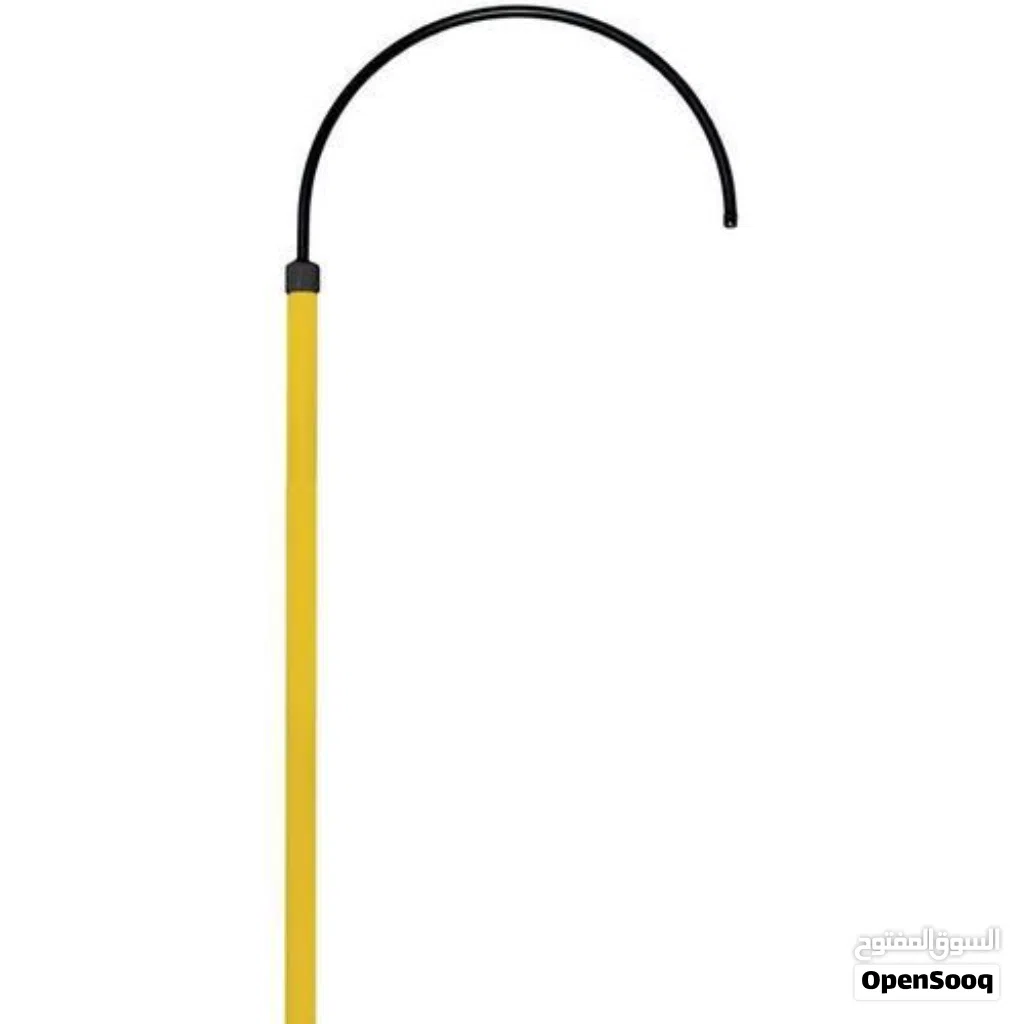
Secure Your Safety: Essential Electrical Safety Hooks for Professionals.
- الحيغلا
- المدينةمسقط
- القسم الفرعيمستلزمات المتاجر والبيع بالتجزئة الأخرى
- القسمشركات ومعدات
- إعلان رقم281077164
- تاريخ النشر12-05-2026
الوصف
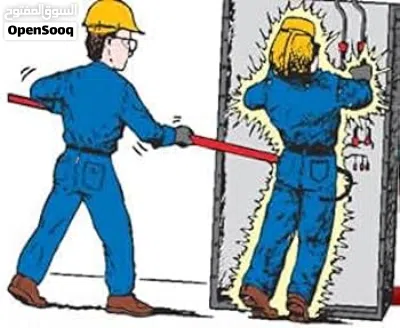
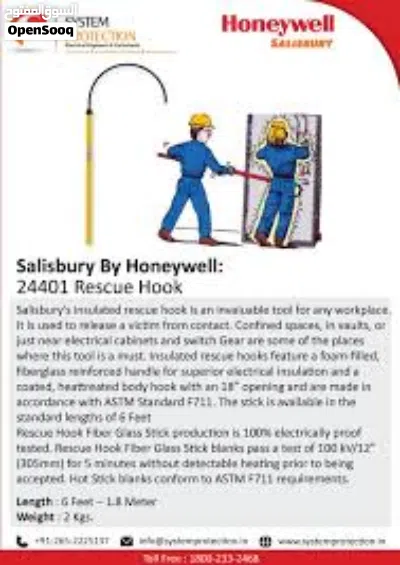
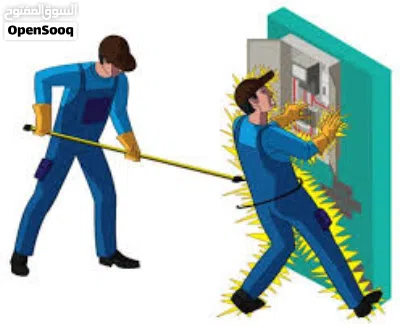
Electrical safety hooks are specialized tools used to help ensure safe work practices when handling electrical equipment or working in electrical environments. They are often used by electricians, technicians, and maintenance personnel to provide secure and insulated access or control during electrical tasks, minimizing the risk of electrical shock, arc flash, or other hazards.
Here are some types of electrical safety hooks and their uses:
1. Insulated Safety Hooks
Description: These hooks are designed with non-conductive materials (such as fiberglass or rubber coatings) to prevent electrical current from traveling through the tool if it comes into contact with live wires or electrical components.
Use: They are used to pull, hold, or manipulate electrical wires, cables, or components while keeping the user at a safe distance from electrical hazards.
2. Pole Hooks for Live Line Work
Description: These are long, insulated hooks used by line workers to work on power lines. They often feature a curved hook at the end for grabbing cables or attaching safety ropes, and they are typically used for high-voltage live line maintenance.
Use: Workers can use them to position wires, install safety ropes, or make adjustments to live electrical equipment from a safe distance.
3. Circuit Breaker Hooks
Description: These are small hooks used to manually trip or reset circuit breakers in electrical panels. They can be insulated to prevent electric shock when working with live panels.
Use: Ideal for situations where breakers need to be toggled but it's unsafe to use hands directly due to the risk of electrical shock.
4. Hook Tools for Cable Management
Description: These tools are used for managing and securing cables and wires. They are often lightweight and made from strong materials that are resistant to wear, and sometimes insulated to protect against inadvertent contact with live wires.
Use: In environments where electrical cables need to be safely routed or adjusted, these tools help avoid direct contact with energized systems.
Key Features of Electrical Safety Hooks:
Insulation: Hooks should be made from non-conductive materials or have an insulating coating to prevent accidental contact with live parts.
Durability: They need to be strong enough to handle the weight and tension of electrical cables or components.
Ergonomics: Handles and grips should be designed to be easy to hold, especially in challenging or high-altitude situations.
Certification: Electrical safety hooks should meet relevant safety standards (such as ASTM, IEC, or OSHA) for insulated hand tools used in electrical work.
Example Applications:
Working on overhead power lines: Insulated hooks are used to manipulate wires or set safety lines at a distance, preventing the worker from coming into contact with high-voltage cables.
Electrical panel maintenance: When accessing circuit breakers or other components in live electrical panels, hooks are used to avoid direct contact and maintain a safe distance.
Cable handling: Ensuring cables are positioned properly while working on electrical systems can be done with hooks that allow safe manipulation without touching energized equipment.
In essence, electrical safety hooks are designed to allow workers to perform necessary tasks while minimizing risk, using tools specifically designed to isolate and protect against electrical hazards.
Here are some types of electrical safety hooks and their uses:
1. Insulated Safety Hooks
Description: These hooks are designed with non-conductive materials (such as fiberglass or rubber coatings) to prevent electrical current from traveling through the tool if it comes into contact with live wires or electrical components.
Use: They are used to pull, hold, or manipulate electrical wires, cables, or components while keeping the user at a safe distance from electrical hazards.
2. Pole Hooks for Live Line Work
Description: These are long, insulated hooks used by line workers to work on power lines. They often feature a curved hook at the end for grabbing cables or attaching safety ropes, and they are typically used for high-voltage live line maintenance.
Use: Workers can use them to position wires, install safety ropes, or make adjustments to live electrical equipment from a safe distance.
3. Circuit Breaker Hooks
Description: These are small hooks used to manually trip or reset circuit breakers in electrical panels. They can be insulated to prevent electric shock when working with live panels.
Use: Ideal for situations where breakers need to be toggled but it's unsafe to use hands directly due to the risk of electrical shock.
4. Hook Tools for Cable Management
Description: These tools are used for managing and securing cables and wires. They are often lightweight and made from strong materials that are resistant to wear, and sometimes insulated to protect against inadvertent contact with live wires.
Use: In environments where electrical cables need to be safely routed or adjusted, these tools help avoid direct contact with energized systems.
Key Features of Electrical Safety Hooks:
Insulation: Hooks should be made from non-conductive materials or have an insulating coating to prevent accidental contact with live parts.
Durability: They need to be strong enough to handle the weight and tension of electrical cables or components.
Ergonomics: Handles and grips should be designed to be easy to hold, especially in challenging or high-altitude situations.
Certification: Electrical safety hooks should meet relevant safety standards (such as ASTM, IEC, or OSHA) for insulated hand tools used in electrical work.
Example Applications:
Working on overhead power lines: Insulated hooks are used to manipulate wires or set safety lines at a distance, preventing the worker from coming into contact with high-voltage cables.
Electrical panel maintenance: When accessing circuit breakers or other components in live electrical panels, hooks are used to avoid direct contact and maintain a safe distance.
Cable handling: Ensuring cables are positioned properly while working on electrical systems can be done with hooks that allow safe manipulation without touching energized equipment.
In essence, electrical safety hooks are designed to allow workers to perform necessary tasks while minimizing risk, using tools specifically designed to isolate and protect against electrical hazards.
علامات الذكاء الاصطناعي

الأسئلة الشائعة
ما هو عدد الإعلانات في مستلزمات المتاجر والبيع بالتجزئة الأخرى على السوق المفتوح؟
كيف يمكنني التواصل مع المُعلن بأمان؟
ما أفضل طريقة للقاء المُعلن والتأكد من جودة المنتج؟
مستخدم موثق
3.5
20-11-2022
نصائح عامة
- اجتمع في الأماكن العامة فقط
- لا تقم بإرسال المال مسبقاً
- قم بتفقّد المنتج جيداً قبل شرائه
بيع كل شئ على السوق المفتوح
هل تود اضافة اعلان مماثل ؟
أضف إعلانك الآن

تريد مشاهدات أكثر؟
ميز وأعد نشر إعلانك
مشاهدة المزيد